

Comfort Meets Durability: How to Choose the Right Institutional Chairs for Your Space
Choosing institutional seating is never just about filling a room. It’s about creating comfort, ensuring long-term performance, and presenting an environment that reflects professionalism and care. Whether you’re furnishing classrooms, training spaces, or waiting areas, the right institutional chairs can make a measurable difference in daily experience and operational efficiency.
Durability and comfort are not competing priorities. The best institutional chairs combine both, designed to endure heavy use while maintaining the ease and support users need.
Why Choosing the Right Chair Matters
Institutional spaces serve many people each day. The chairs you select must withstand continuous use while maintaining their form, function, and visual appeal. Poor seating choices can lead to discomfort, distraction, and higher replacement costs over time.
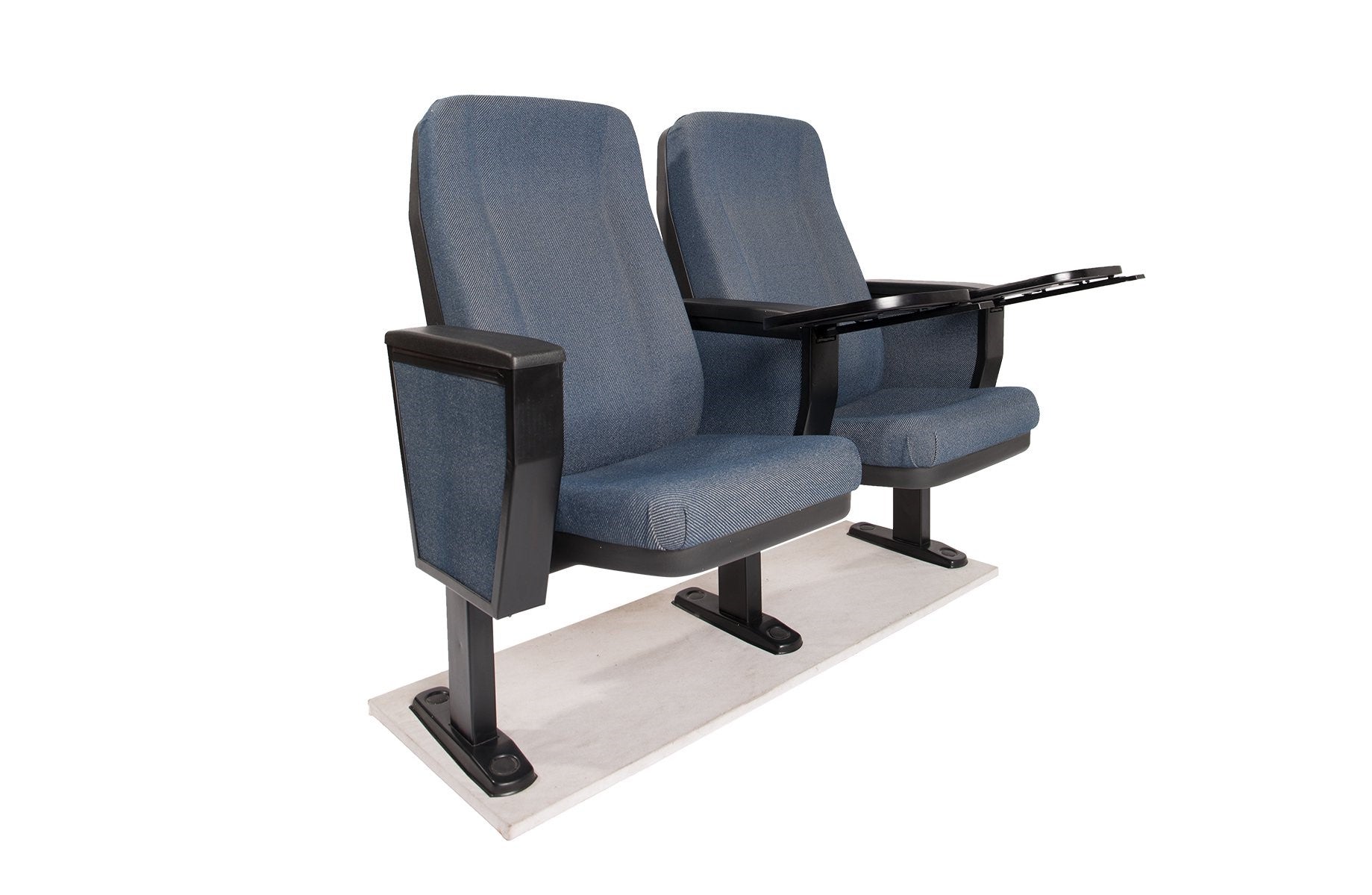
The right chair supports posture, enhances focus, and contributes to a well-organized and professional atmosphere. Visitors, students, or staff should feel comfortable and supported, even during extended periods of sitting. When furniture supports the people who use it, productivity and satisfaction naturally rise.
Comfort: The Foundation of Effective Seating
Comfort in institutional seating isn’t about luxury; it’s about thoughtful design. The goal is to support users with different body types, sitting durations, and usage needs.
Here are essential comfort features to consider:
- Ergonomic design: Chairs should encourage proper posture and minimize strain, even during long sessions.
- Supportive backrests: Adequate lumbar support keeps users upright and focused.
- Balanced seat depth and height: A properly proportioned seat keeps feet flat on the ground and pressure evenly distributed.
- Breathable materials: Mesh or ventilated backrests prevent heat buildup and enhance comfort.
- Stable cushioning: High-quality foam or padded seats ensure comfort without losing shape over time.
A well-designed institutional chair should feel stable, comfortable, and supportive without needing constant adjustment.
Durability: Built to Last
Durability defines the difference between short-term furniture and long-term investment. Institutional seating must be resilient enough to handle constant use while maintaining structure and finish.
When evaluating durability, look for:
- Strong frames: Steel, reinforced metal, or high-grade polymer frames ensure stability and longevity.
- Resilient upholstery: Fabric should resist wear, stains, and fading while remaining easy to clean.
- Secure joints and fittings: Sturdy connections reduce wobbling and prevent premature damage.
- Protective finishes: Scratch-resistant coatings maintain appearance in high-traffic areas.
- Replaceable components: Chairs that allow for easy part replacement extend overall life and reduce waste.
Durable chairs save costs over time by reducing repair frequency and maintaining a consistent, professional look.
Balancing Comfort and Function
It’s not enough for institutional chairs to look good or last long; they must also perform well in the space they’re used. A chair that supports comfort and function simultaneously is the true measure of good design.
For classrooms or training environments, lightweight and stackable chairs help with easy reconfiguration. In reception or waiting areas, chairs should balance comfort with structure to maintain a professional impression. For conference spaces, choose options with wider seats and firm support for longer durations.
When form and function work together, you create spaces that invite comfort while maintaining efficiency.
Adapting to Different Institutional Environments
Institutional spaces vary widely from schools and universities to healthcare centers, offices, and government facilities. Each has distinct requirements.
- Educational environments: Prioritize designs that are easy to move and feature ergonomic backrests to support students during extended use.
- Corporate training rooms: Choose sleek, professional chairs that balance mobility with posture support.
- Healthcare and reception areas: Focus on cleanliness, comfort, and durability with materials that withstand frequent cleaning.
- Community or multipurpose halls: Select modular seating that adapts to changing layouts and large gatherings.
Understanding who will use the chairs and for how long helps determine the right combination of structure, comfort, and practicality.
Design Consistency and Brand Alignment
Institutional furniture is also a visual statement. Chairs should align with the overall design language of the organization: clean, professional, and cohesive.
Choose finishes, colors, and materials that match the tone of your environment. For example:
- A corporate or training setup may suit monochrome or muted tones with metal accents.
- Educational or creative spaces might benefit from brighter, energetic colors.
- Healthcare and administrative spaces often favor neutral hues that promote calm and cleanliness.
Consistency across furniture types strengthens your visual identity and presents an organized, trustworthy environment.
Practical Factors to Consider
Before finalizing your selection, assess a few key practical points:
- Space planning: Ensure the chair size fits the room without crowding.
- Ease of storage: Stackable or foldable options improve flexibility.
- Maintenance: Materials should resist stains and be simple to clean.
- Mobility: Chairs with light frames or gliders enhance usability.
- Longevity: Always consider total lifespan, not just upfront cost.
An informed purchase balances cost with value, chairs that last longer and maintain comfort return greater benefits over time.
Featured Institutional Chair Options
When selecting chairs that balance comfort and durability, these models serve as reliable examples of modern institutional design:
-
Mclane: Designed for active institutional environments, it combines a strong metal frame with a comfortable seat profile, offering mobility and support during extended sessions.
- Anatom Student Chair: A durable, easy-to-maintain option suitable for classrooms and training setups. Its lightweight design allows quick rearrangement.
Each of these chairs demonstrates how design, material quality, and function merge to meet the diverse needs of institutional environments.
Conclusion
Choosing the right institutional chairs is both a design and operational decision. The right furniture enhances comfort, protects long-term value, and reflects your organization’s commitment to quality. Chairs that combine ergonomic support with structural strength create a lasting positive impression for every user.
For institutions seeking seating solutions that align with these values, Offisys offers a curated collection designed for reliability and comfort. Their range blends functionality, durability, and thoughtful design, ensuring every chair contributes to a professional, comfortable, and enduring environment.
Frequently Asked Questions
1. How do institutional chairs differ from regular office chairs?
Institutional chairs are built for higher usage and shared environments. They emphasize durability, maintenance ease, and universal comfort rather than individual adjustment.
2. What materials work best for institutional chairs?
Metal or reinforced polymer frames paired with stain-resistant fabric or mesh upholstery perform best in high-traffic environments.
3. How often should institutional chairs be replaced?
With proper maintenance, well-built institutional chairs can last five to ten years, depending on usage and material quality.
4. Can durable chairs still look elegant?
Absolutely. Modern designs combine structure and style through sleek lines, polished finishes, and coordinated color options.
5. How do I balance comfort and cost?
Prioritize ergonomics and build quality within your budget. A slightly higher upfront investment often leads to long-term savings through reduced replacements.